
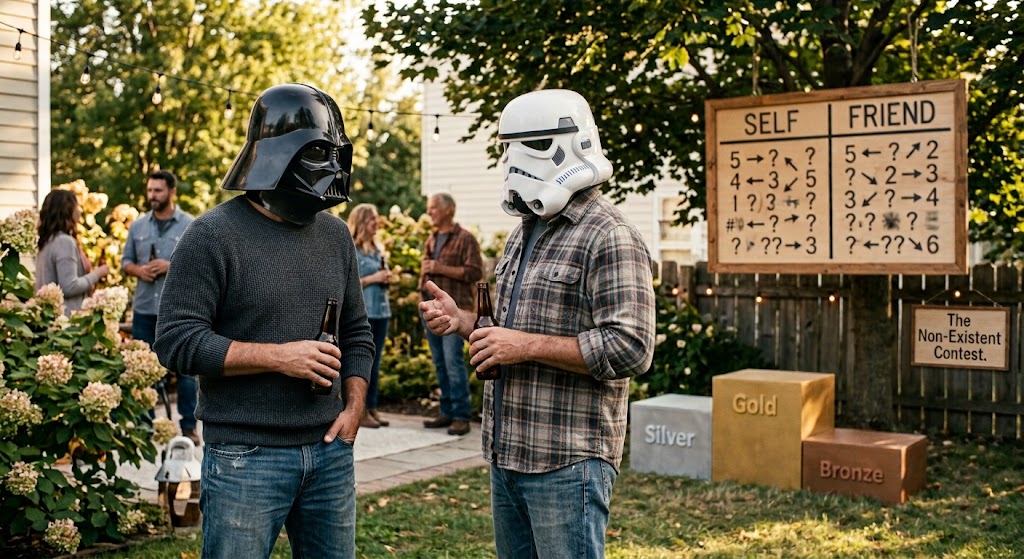
I do it. You do it. We all do it.
We all have an outward-facing story that we narrate to the world. It’s the best foot forward version of our lives we want people to see. We call it our “social media” story, but it’s always been there, even long before the internet. It’s called our ego.
Our close friends don’t get this “best” story. They’re already inside the walls. They see most of who we are. Maybe not every single detail, but the vast majority. We don’t put up a front for them because we’re around them enough that they can see right through whatever face we put up anyway.
For everyone else, we curate. We want them to perceive us the way we wish to be seen. It’s a little false, sure, but we give out the information we want people to see, and we tailor it depending on the audience:
An old friend I haven’t seen in five years: “Hey, look at how great my life is turning out.”
An acquaintance: “Look at how important I am.”
A close friend: “Things suck right now”. But only up to a comfortable sharing threshold.
It actually gets worse because of how our own brains process this game. We put out our own curated story, but we’re also receiving curated stories back from other people. Then we take their stories and compare ourselves to them to see if we measure up. And our brains can be remarkably mean when they try to measure.
When we get a partial story from someone else, and they are all partial stories, our brain fills in the gaps with our own thoughts so that we can construct a complete, 100% picture. And typically, our brain fills in those gaps with negatives. Just so we compare better.
Here’s a real example:
A friend of mine has been building his house. It’s an extraordinarily beautiful place on the ocean. He’s been pouring money into it to get it finished, and recently he was talking about selling it as an investment play. He mentioned getting an unsolicited offer for a lot of money that fell through at the last minute. He wanted to project that everything he was doing was a brilliant, smart idea.
From the outside looking in, he was driving the narrative: He’s making strategic decisions. He’s making money.
Except… I happened to know he had officially listed it previously, and the listing was quietly taken down. I spotted it while Googling real estate in the area ( because you know jealousy).
The second my brain registered that gap, the negative side of me took over. My brain immediately started auto-completing his story:
“Okay, he’s had contractors working on it for four years. It’s a massive money pit. He HAS to sell it. He’s at serious risk if he doesn’t.”
Why was my brain being an ass, trying to fill in the story in a negative way? To make myself feel better. So that I came out ahead in some preconceived contest that doesn’t even exist.
The real story? I was likely getting a positive slant from my friend, not the totally raw truth, for the exact same reason: so he could come out ahead in the same non-existent contest.
Maybe it’s a guy thing. Maybe it’s just a screwed-up competitive streak. But acknowledging it is the first step toward killing it.
It’s wrong. We should be genuinely thrilled for friends who get ahead, regardless of how far we think they are ahead of us. There is no race. We are both winners. We aren’t friends with them because of status—we are friends with them for them. We are there to celebrate their wins and mourn their losses because we actually care.
Changing this prewiring in my brain isn’t just self-improvement; it’s vital for maintaining genuine connections.
The less you measure or compare, the closer the real friendship is.
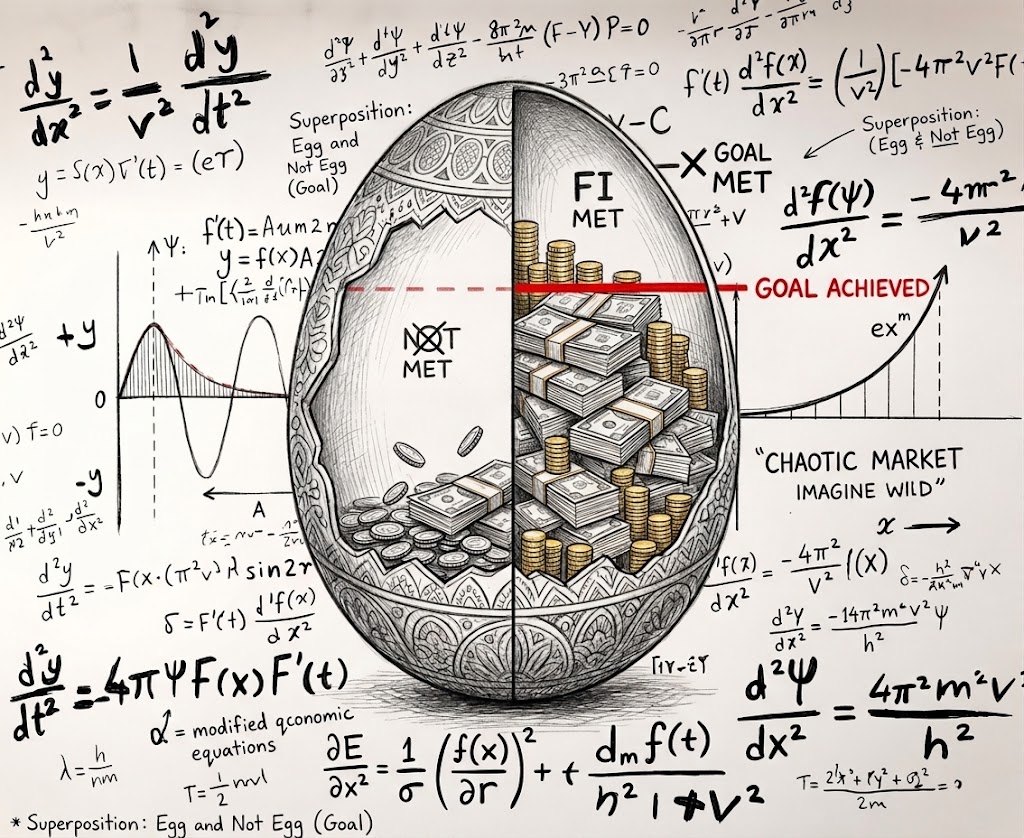
What does this have to do with retirement or FIRE?
A lot, actually.
In my retirement I am hoping to be more social. I need to drop this type of reaction. This type of game.
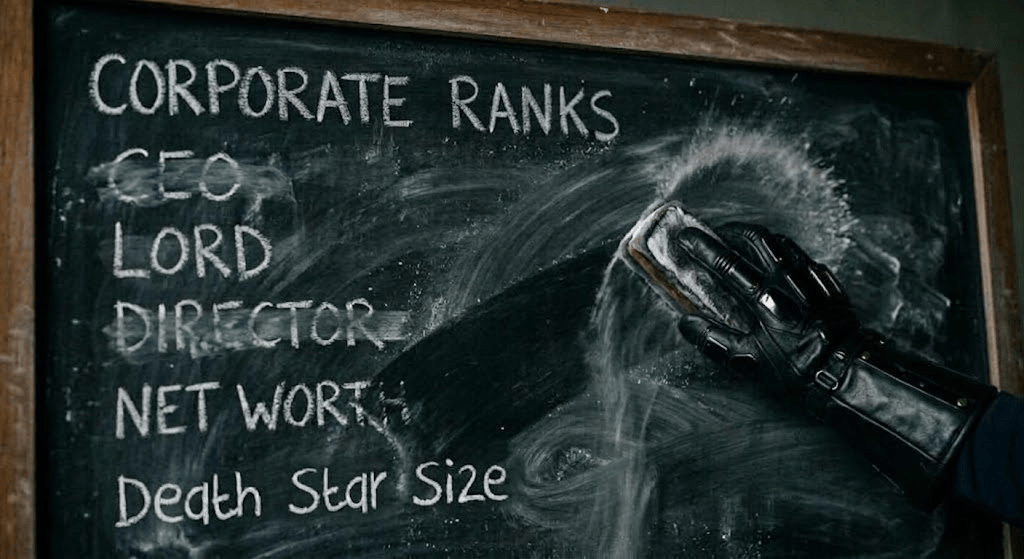
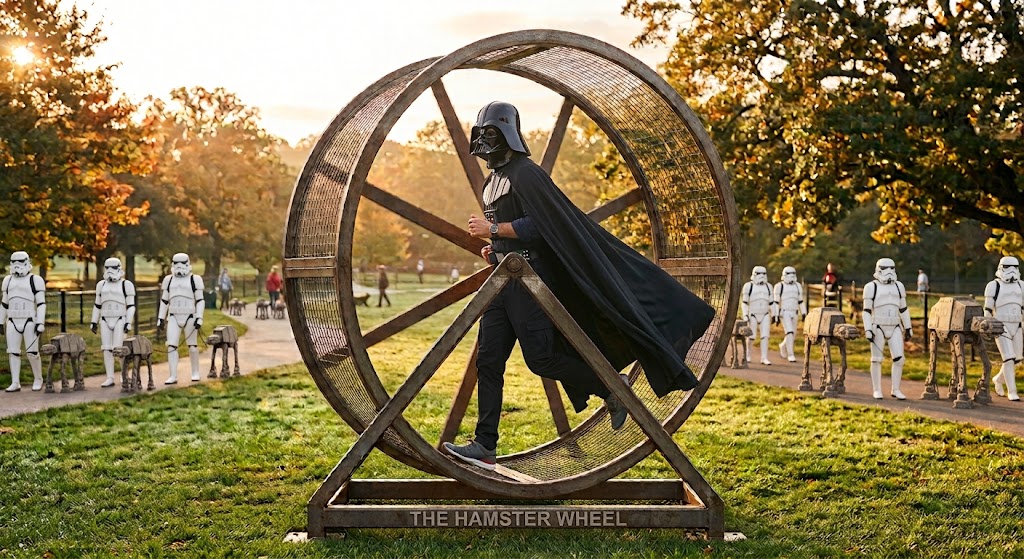
In corporate life, the org chart dictates the rules of engagement. You measure ranks, check uniforms, and evaluate authority before speaking.” Over decades, it becomes a subconscious defensive habit.
When you step off the hedonic treadmill into retirement, this comparison contest loses all of its value. If you carry that competitive, status-driven filter into your post-work social life, it prevents genuine connection right when you need it most.
Being social in this next chapter means developing a whole mix of friends. Some will become deep and close; others will remain surface-level, activity-based friends. But the more judgmental or competitive I am, the harder it will be to form any of those bonds.
Corporate life rewards armor, but retirement demands vulnerability to build real community.
I want to tear the walls down and get to know the real people. Trading fake status for genuine connection.
Just as importantly, I want them to know the real me. That means the “real me” can’t be an asshat who fills in the blanks of someone else’s life with a negative narrative just to feel better by comparison.
I need to work on myself, not on editing your story to make myself feel better. Then we can connect
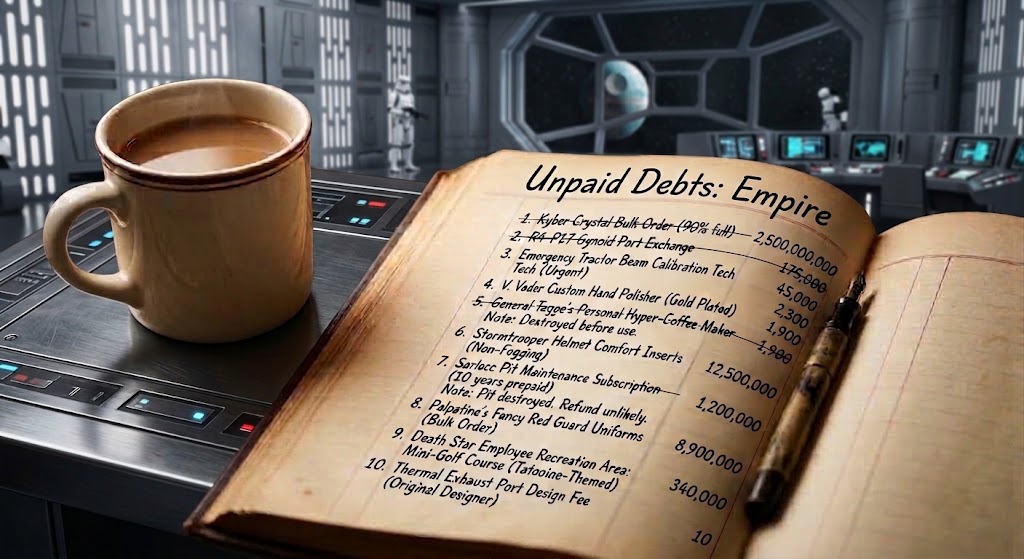
None of these matter – erase and move on





Leave a Reply