

I was reminded of a concept that I knew but haven’t paid enough attention to. I write about needing to find my tribe—my community. I touched upon it in an earlier posts (Too Young for Bingo, Too old for Playdates – Finding my Tribe and Sadly I may miss Coworker Meetings when I Retire ) but today I want to go deeper on the topic.
We all spend thirty years building an Empire. We climb the ranks, we master our craft, and we focus so hard on the “mission” that we don’t notice the our Death Star has gotten awfully quiet.
When we are younger, we make friends pretty easily. We are at the same place in life with the same struggles and, honestly, we are more likely to be quite open with our friends with very little filter in place. We play together; we support each other as we struggle in school, as we experiment in the dating pool. Your friends are a very big part of your day-to-day life.
As we progress through the normal steps in life, these tight connections just naturally drop. You get a job, move to different cities, get married, have kids. These friends are still your friends, but they are not part of your day-to-day life. It’s hard to maintain the closeness of important friendships over a distance. It’s really no different than trying to date long-distance.
So your friend world naturally shrinks in normal progression through life, and the ones you keep shrink in emotional closeness—at least it has for me. You get dependent upon your spouse, and in some ways your kids, to provide all of this connectedness. And it is not healthy for a successful post-work world. For the not-far-away empty nest. For the next stage of life.
If I ask you how many people you could call tomorrow to cry on their shoulder if a major life event happened, how many would you list? For example, who would I call if Padme filed for divorce? The list is, maybe, a length of one person. And they could not provide all the support I would need.
For the type of emotional support I would need, my list is much smaller than it was when I was in my 20s. This is a big red flag for me.
Scientists have a FIRE like name for this: the “Friendship Recession.” It typically disproportionately affects men as they transition from the “building” phase of life (career and kids) into the “being” phase.
The studies in the book I am reading are looking at the causes of the Dark Side—of depression. For reference, it is called Lost Connections by Johann Hari.
I picked it up from a bargain bin at a store and randomly opened it. The story I happened to flip to was someone who was bored to tears at his job. He worked in a paint store mixing and shaking paint. No brain needed, no change in his day; every day was the same. It made him depressed to be at work, which affected the rest of his life outside of his work. He became addicted to drugs to dull the boredom of his work.
This sounded a little too close to a few instances in my career (not the drugs, the boredom). So I picked up the book.
One of its core premises is that depression is highly affected by what is or is not going on in your life. If you are having a terrible time in your life, it can lead to depression. Makes sense.
The more terrible the life event, the more likely the chance you will be depressed. This is not the only factor that leads to depression. If you combine terrible things going on in your life with having very few close connections to rely on, your chance of depression becomes magnitudes higher.
Studies showed that people with lots of close friends who deal with a job loss, or divorce, or the death of someone close to them may have a 12% to 15% percent chance of getting depressed and having a hard time recovering. A person with no friends or connections with the same event would have a 75% to 80% chance of getting depressed and having a hard time recovering.
The only difference in both groups was the number of close friends. The study goes on to say how important friends are to help you deal with life. Being lonely is deadly
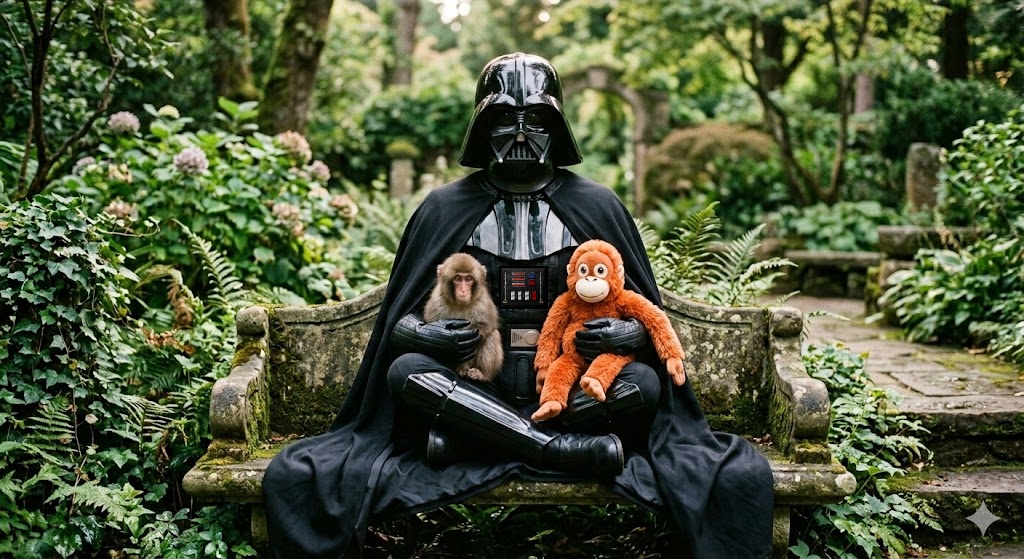
even monkeys and Sith Lords need friends
The World Health Organization has declared loneliness a global health threat—as bad for your health as smoking 15 cigarettes a day. A study showed that being lonely raises the cortisol levels in your blood.
When the brain perceives it is “on its own” without a tribe, it stays in a state of low-level threat response. This is why those cortisol levels spike—your body is literally preparing for a fight because it doesn’t feel the safety of the pack
Cortisol functions to reduce inflammation in the body, which is good, but over time, these efforts to reduce inflammation also suppress the immune system. Chronic inflammation, caused by lifestyle factors such as poor diet and stress, helps to keep cortisol levels soaring, wreaking havoc on the immune system.
An unchecked immune system responding to unabated inflammation can lead to myriad problems: an increased susceptibility to colds and other illnesses, an increased risk of cancer, and so on.
Now, this is where I started to sit up and pay attention. Being lonely increases your chance of getting cancer! What? Holy $%$#!

The Force is ……weak, when only one
OK, so fact number one for me as I have gotten older is that my close connections have become fewer, and even the remaining ones are a bit less close than I would like. This seems natural as we age and go through the raising-kids stage.
The author also points out one of the root causes of depression is the disconnection from meaningful work.
Great, less friends and soon to be less meaningful work can lead to a dangerous path to the Dark Side.
I need to put more energy behind building deeper friendships. I am less interested in more work.
COVID lockdowns were good for me in a way. I used to get a lot of energy from people I worked with. They partially filled this gap for a social life. They were real connections, but not as important as I made them out to be.
When COVID came along and we all started to work at home by ourselves, these connections faded away. Even post-COVID, they never really came back as people only work out of the office part-time. In my new job, it is even worse. No one gets close to the “new guy” when working through a video camera.
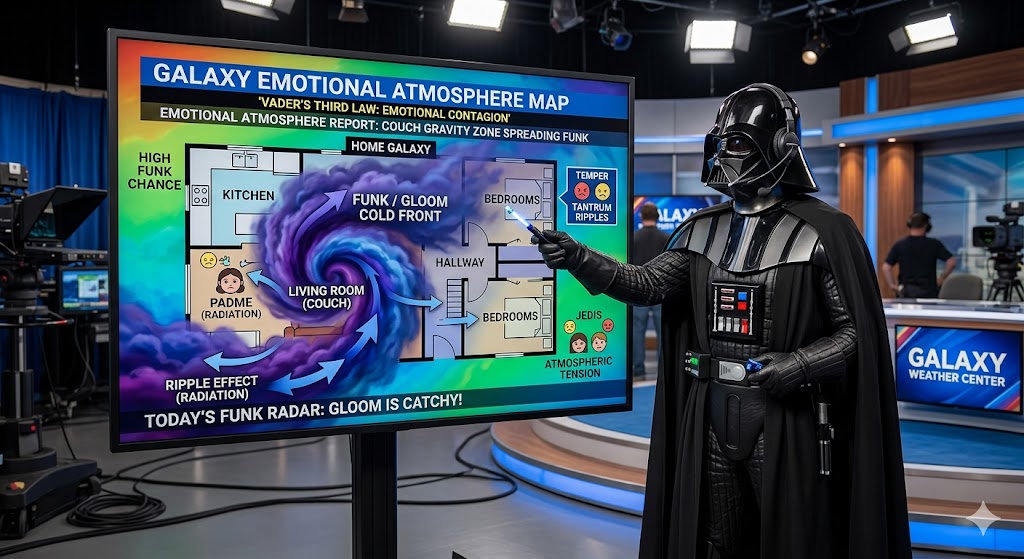
The traditional family construct has changed and taken away a lot of the close structures related to it. Both my and Padme’s families are 4 to 6 hours away by car. We visit, but the family time of Sunday dinners, celebrating every holiday, and being part of a small-town community doesn’t happen. Growing up, I had that. I knew all my cousins, my nieces, and my uncles and aunts.
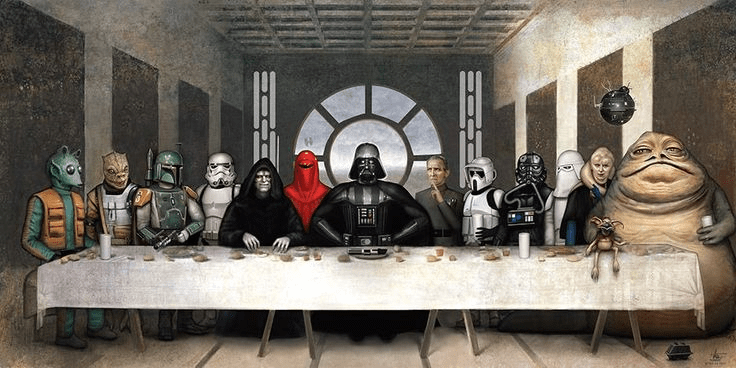
Rule #1 – No force choking until after desert
With our professional lives, we lost the closeness of those bonds. Guess who our close friends are now? Other professionals. Guess what happens over time? A larger percent of these people end up moving over time for careers.
So you add it all up and Vader has fewer Stormtroopers (coworkers), Skywalkers (family), and Obi-Wans (friends) than he needs.
I have put some energy into getting out there to rekindle friendships and to find my tribe. A FIRE tribe, hopefully coming from this blog, will be nice to hang out with, but likely will be more online. The main tribe I need to cultivate is local. It takes time to find those close friends.
As you get older, it seems even harder, especially for men, to find that shoulder you could cry on if needed. But I do realize I need to try harder. The key takeaway in this post is the title: The quality of your life is directly related to the quality of your connections.
Building a tribe isn’t about waiting for an invitation; it’s about issuing one. We spent our careers waiting for the “meeting invite” to pop up on our calendars. In this next stage, you have to be the one sending it. Make the effort.
We all need to be the Cruise Director of our social calendar. Not only to enjoy our retirement but for our overall health.
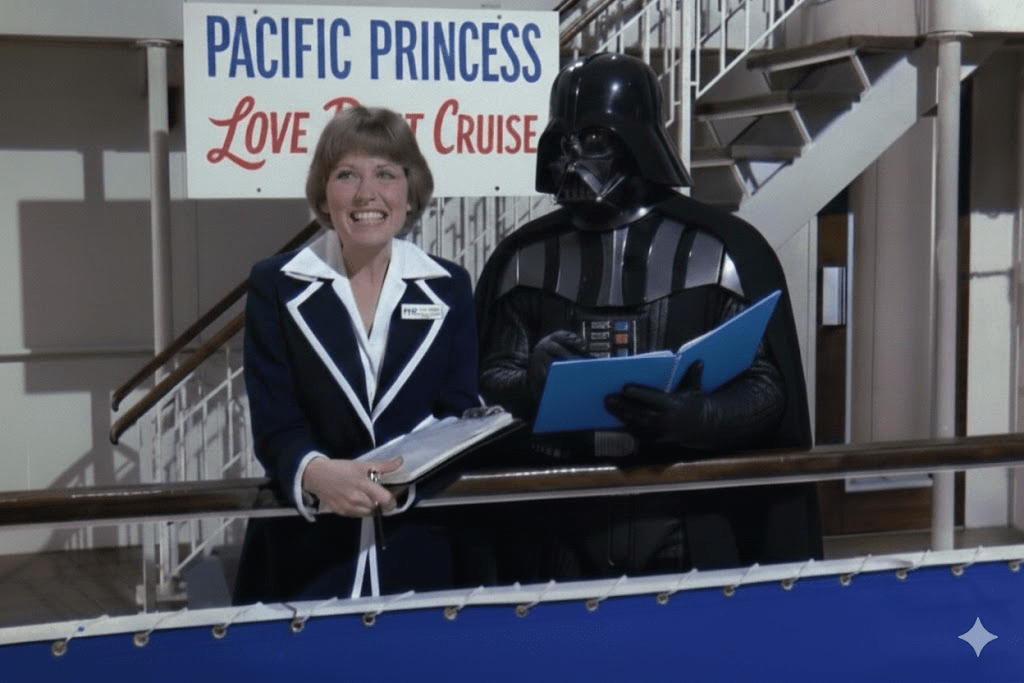
getting expert lessons from Julie on being social





 vaderonfire.com
Leave a reply to fiforthepeople Cancel reply