

One change that has happened in my 30-year career seems to be how a larger percentage of career titles have changed to be called Project Manager. Or Program Manager. Or Project Specialist.
They all come down to being more of a Generalist that sees the big picture who are responsible that a project gets delivered on time.
These are the people that stay at the 1000-ft level or higher with a wider scope than most for ensuring a task gets done. They look at many, if not all, of the steps of a process / project and make sure the pieces are coordinated.
They are the glue ensuring communication and the pieces move together as best as they can.
My non-fancy description for this role is Crack Filler.
The Day in the Life of a Crack Filler
In a perfect corporate world, every department’s output would perfectly align with the next department’s input. If Engineering finishes a blueprint, it should slide perfectly into the hands of Procurement, which should hand off a seamless package to Production.
In reality, there is always a gap—a “crack” where information is lost, changes are not co-ordinated, assumptions are made, and projects die.
My job description across the last two-thirds of my career has been to identify these cracks and figure out how to fill them before they become giant, project-swallowing holes.
I’ve identified three specific types of structural failures that require a Crack Filler:
- The Communication Gap: Marketing says the product can fly; Engineering says it can only hover. Production says it is unmanufacturable. The Crack Filler steps in to manage internal expectations and nudge it down a better path.
- The Ownership Void: These are the tasks that fall “between” job descriptions. “That’s not my job” is the phrase that creates the biggest cracks. I often end up doing it simply because I know the project won’t move forward otherwise.
- The Temporal Rift: This is where you identify when the timeline provided by the front office is physically impossible for the back office to execute. You have to negotiate the space to make it work.
This has basically become my life. I am focused toward the tail end of a project within a production or procurement role. In any event, I am one of the last in line of what happens. Lots of work has to happen before my group even gets started.
The Enthusiast’s Trap
Early on in my career, I was like most and was bright-eyed and bushy-tailed. I had lots of energy and was enthusiastic. “Let’s git’er done.”
I wanted to impress people. I wanted to be part of the team—a positive contributor.
One problem. It didn’t work.
The more proactive I was, directly correlated to the amount of work I had to do. Of course, Vader: “Want to get something done, give it to a busy person.”
But that is not the main reason here.
The natural lifespan of any project is that it has a fair bit of change. The closer you are to the start of the project, or to the stage early in the line, the bigger the chance there will be changes.
“We don’t need to deliver for 12 months, well let’s just put this other bit into the design.” Or, more often than not, “We discovered why we will not meet a design specificiation, so let’s just change the spec. and start over.”
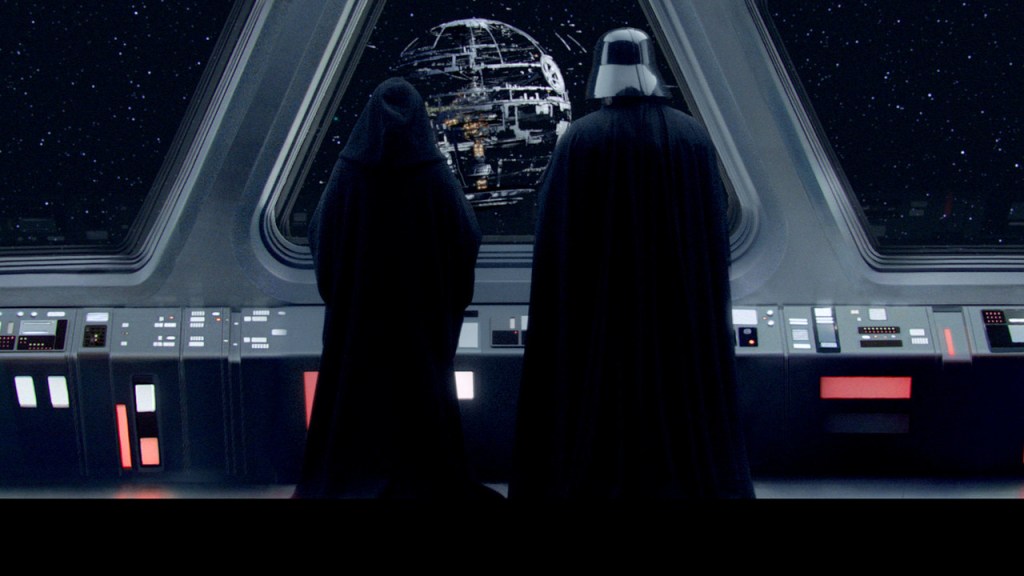
Pointy parts were hard to design – just make it round
Departments in the front have it easy. They have time to make changes and people downstream will have to make it up. The more departments ahead of you, the higher the probability that there will be significant change before it gets to you.
If you try to do good work and fill a crack too early, you find yourself filling it again and again as the “bricks” of the project keep shifting.
The Lesson: Don’t Fire Until You See the Whites of Their Eyes
So what did I learn? I call it the Career Lesson – Bunker Hill Addition.
Don’t do anything until you see the whites in their eyes.
In other words, wait until the last minute before I start my portion of work. And even better, wait even longer than the last minute so you are guaranteed there can be no changes without severe project consequences.
Being late in the process usually means some screw-up will happen before it gets to you. Changes typically cause whole project delays. This is somehow linked to the size of the company. The bigger the company, the more likely the customer or some executive will change their mind.
The amount of work I have saved myself by being a Procrastinator can likely be measured in years. The amount of money I have saved the company by not reacting too soon is huge.
My career has basically taught and rewarded me to procrastinate. It is tough to learn early in your career, but it has served me well as I moved into more overseer or Project Management like roles. It is efficiency through patience.
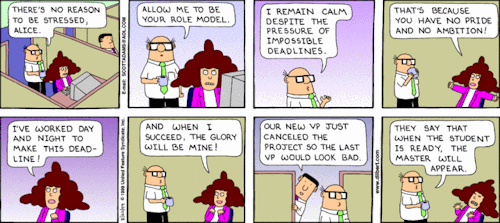
sad but true at times
The Invisible Architect
The irony of being a great Crack Filler is that when you do your job perfectly, it looks like nothing happened.
- If the project is seamless, people assume there were never any cracks.
- If you save the project at the last minute, you’re a hero.
- If you try to fill the cracks too early, you’re just “the person who asks too many questions and is negative.” Sometimes you have to let it fail to move forward.
By waiting until the “whites of their eyes” appear, I ensure that the cracks are visible to everyone else before I step in to fix them or to execute on them
Sad but true, this is how value is recognized in a large organization.
The Dark Side of the Habit
The downside is that this does not always translate well outside of work. It has caused me issues. To be honest, it is really tough shutting off the procrastinating habit when it has served me so well at work.
I don’t have “time” to start the kitchen reno—I kick the can down the road and convince myself I’m saving money or waiting for the “plan to lock in.” Crap, Padme wants to outsource the new kitchen to a high-end place to get it done because I took too long. Now it’s going to cost way more than I thought.
Taken to extremes, it can be deadly. Don’t have time to exercise or not feeling like it—do it later. Then comes the day you realize you’re experiencing shortness of breath from walking up seven steps. Holy crap, when did I get old?
As I look toward my FIRE date and the “Next Chapter,” I realize that while the Bunker Hill strategy saved my sanity at work, it’s a dangerous tool to bring into retirement. You can’t procrastinate on your health or your personal happiness.
In the office, procrastination is a shield; at home, it’s a debt that eventually collects with interest.
I’m still learning how to put the crack filling trowel down and be proactive in my personal life. It’s an internal emotional battle, but one I need to win if I’m going to make the most of the freedom I’ve worked 30 years to earn.

trying to keep the Death Star on schedule, filling in where needed


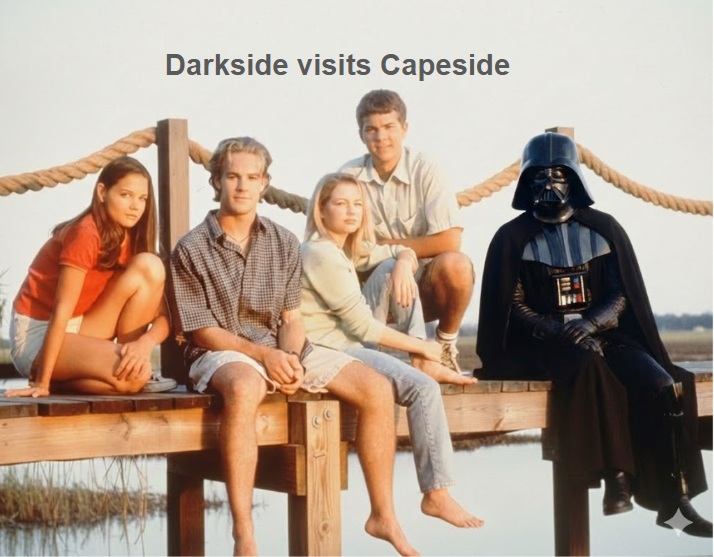

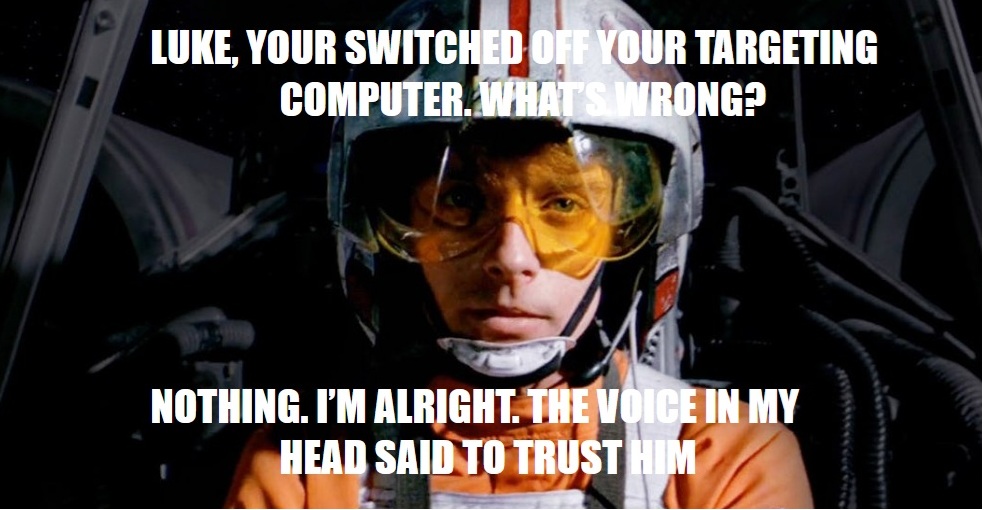


 vaderonfire.com
Leave a comment